How Pokemon Card Prices Are Determined
In this guide
A Pokemon card has no fixed price. What it's “worth” is just the range recent buyers and sellers have agreed on, and that range moves — in a 30-day sample of 150 product records most reference prices barely shifted, while individual conditions and printings of the same card moved in opposite directions. Understanding what feeds it makes it much easier to tell a real bargain from a listing that only looks cheap.
Sold prices, not asking prices
The number that matters is what cards have actually sold for recently, not what hopeful sellers are asking. Active listings can sit unsold for months at aspirational prices; completed sales are the real signal. Reputable price sources (this site uses PokemonPriceTracker, grounded in eBay sold data) publish a market price built from recent sold listings rather than current asks. When you compare a listing to a market price, make sure the market price is a sold-based one.
Supply and demand, in this hobby's terms
- Print run. Modern sets are printed in enormous quantities for months; older sets had far smaller, fixed runs. A card's long-term floor is largely set by how many copies exist.
- Playability and collectability. A card can be valuable because it's strong in competitive play, because it's a chase card (alternate art, secret rare), because the Pokemon is popular, or all three. Demand for a specific Charizard art is not the same as demand for the card next to it in the set. Evolving Skies alone has three Umbreon VMAX cards — the regular #095/203, the Secret #214/203 and the Alternate Art Secret #215/203 — and each is a separate card with its own market.
- Reprints. A card that gets reprinted in a later set, a special collection, or a promo can see its price drop sharply, even for the original printing.
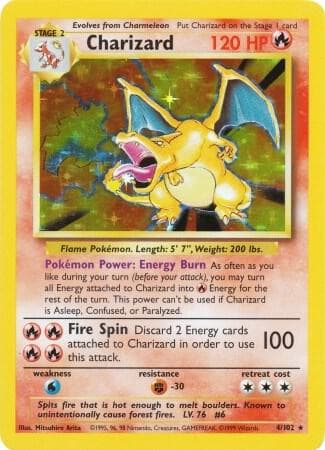 Base Set Charizard
Base Set (Unlimited)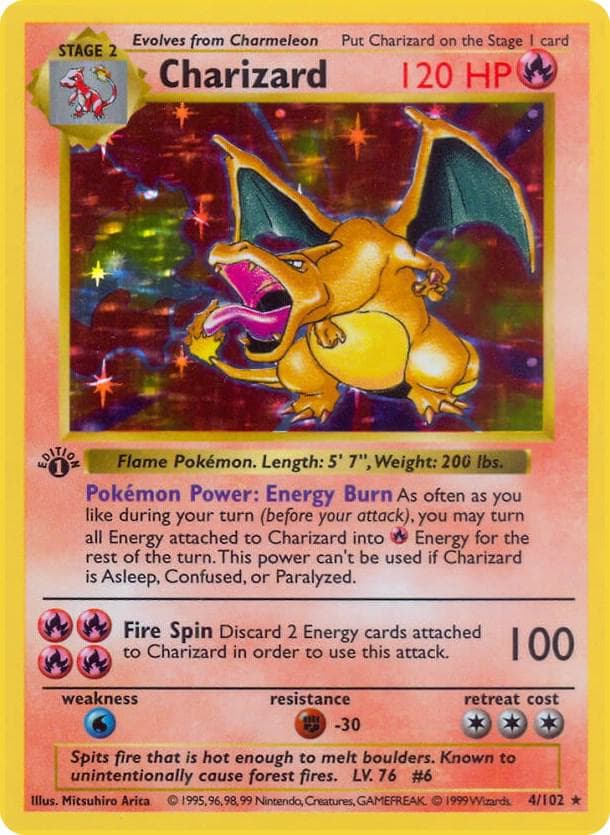 Shadowless Charizard
Base Set (Shadowless)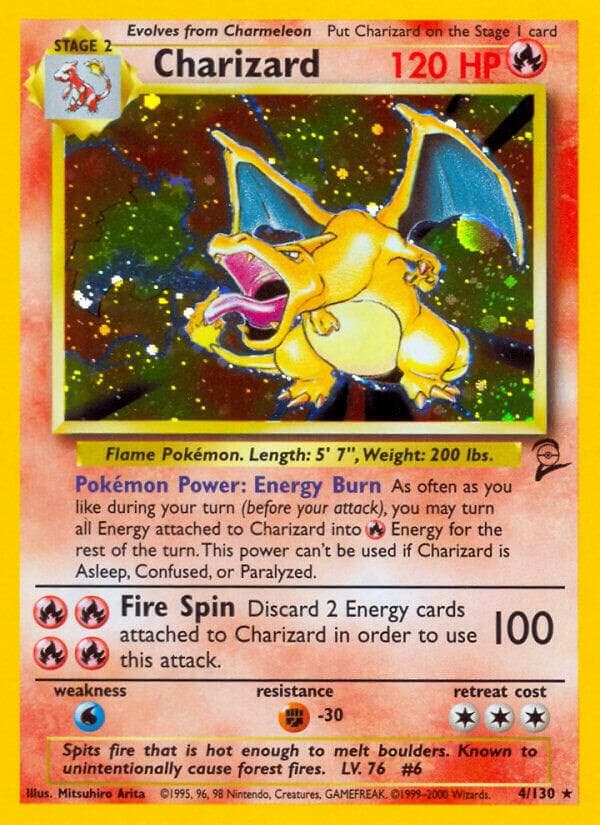 Base Set 2 Charizard
Base Set 2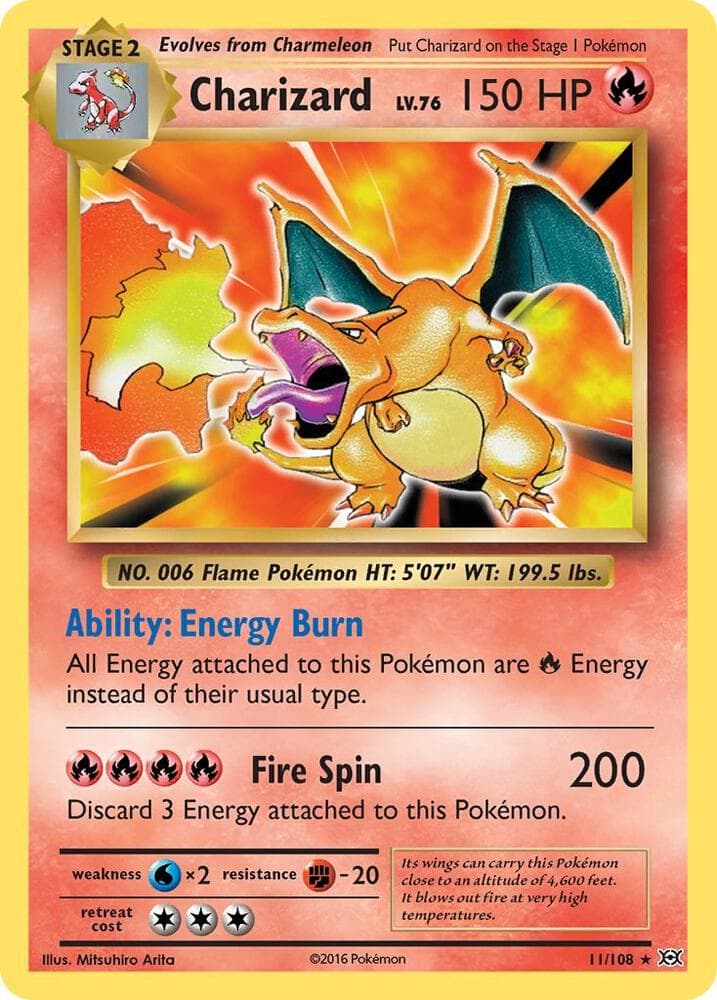 XY Evolutions Charizard
XY Evolutions
The four things that split one card into many prices
“Charizard” isn't one price because it isn't one card. Four attributes each fork the value:
- Printing / set. The same Pokemon and artwork can exist in Base Set, a later reprint, and a promo, each with its own market. Card pages can exist even when no live deals are available. Charizard from the original Base Set (#004/102), its early Shadowless print run, the Base Set 2 reprint (#004/130) and XY Evolutions (#11/108, a 2016 remake of Base Set) are four cards with four prices, each on its own page. The printings with the most live listings right now are on most listed cards.
- Edition and stamp. For vintage cards, 1st Edition and Shadowless printings trade well above the standard Unlimited version. See the vintage vs. modern guide.
- Condition. A lightly played copy can be worth a fraction of a near-mint one. See condition & grading.
- Grade. A professionally graded card in a slab is a different market again — often several times the raw price at the top grades. See raw vs. graded.
Why prices you see disagree
A price guide, a “last sold” figure, and the cheapest current listing can all be different and all be honest. Guides average over a window; a single last-sold price can be an outlier (a bad photo, an impatient seller, a bidding war); the cheapest listing might be a worse condition or a different printing than you think. The practical approach is to look at a spread of recent sales for the exact printing and condition you want, then judge a listing against that. The price checker finds an exact printing by name, set or card number.
This site does that comparison automatically and only surfaces listings meaningfully below a sold-based market price — the exact rules are on the methodology page. It's still worth checking the listing photos yourself before buying.