Raw vs. Graded Pokemon Cards
In this guide
The same card, raw and graded, is effectively two products with two prices. A raw card is sold as-is on the seller's description. A graded card has been authenticated, assigned a numeric grade, and sealed by a third party — so the buyer is paying for certainty as much as for the card.
Why the graded price is higher
- Authentication. The grader has confirmed the card is genuine and un-altered. For expensive vintage cards especially, that removes the single biggest risk of buying raw.
- An agreed condition. “Near Mint” is subjective; “PSA 9” is not. Both buyer and seller are working from the same fixed grade.
- Scarcity at the top. Plenty of raw copies might exist, but only a fraction grade a perfect 10. High-grade population is often small, and that's what the premium pays for.
- Protection and display. The slab protects the card and is how many collectors want to own and show it.
The size of the premium varies enormously by card and grade. A common modern card in a PSA 9 might be worth little more than raw; a sought-after vintage card in a PSA 10 can trade at many multiples of a raw near-mint copy. There is no fixed multiplier — you have to look at real sold prices for that exact card and grade. Card pages on this site show the raw price and, where there are enough recent graded sales for that exact printing, each grader and grade alongside it — for example Pikachu V (Full Art) from Vivid Voltage. Any card can be looked up in the price checker.
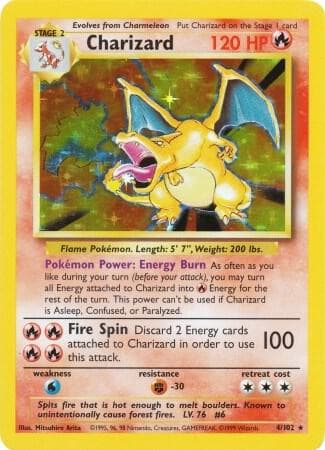 Base Set Charizard
Vintage - the classic grading candidate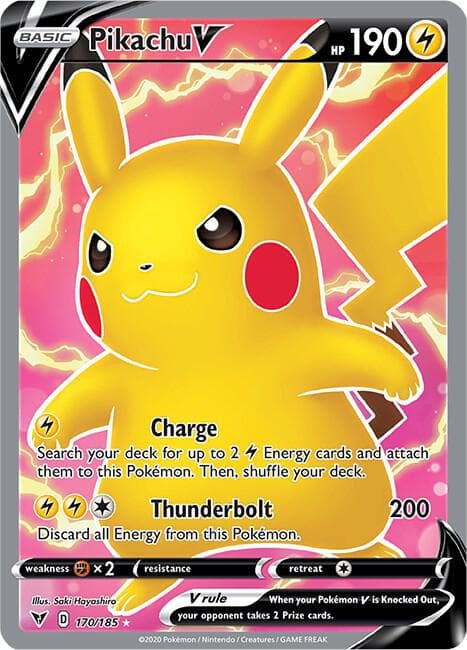 Pikachu V (Full Art) from Vivid Voltage
Modern full art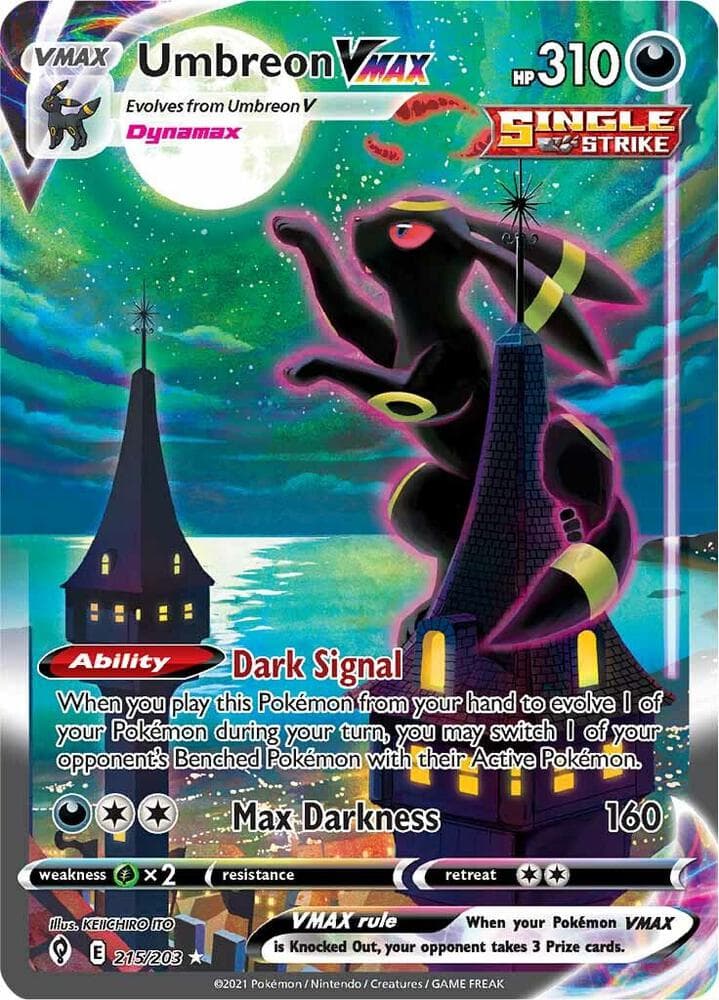 Umbreon VMAX (Alternate Art Secret) #215/203
Modern alternate art
What grading costs and takes
Grading is a paid service with published tiers: you pay per card, and the fee rises with the card's declared value and with faster turnaround. Bulk submissions are cheaper per card than one-offs. Turnaround ranges from a few days on the most expensive express tiers to several months on the cheapest, and there's round-trip shipping and insurance on top. Exact prices change often, so check the grader's current fee schedule before planning a submission.
When grading is worth it
- The card is genuinely high-end raw. If a near-mint raw copy is already worth well more than the grading fee plus shipping, and it has a real shot at a 9 or 10, the maths can work.
- You're confident in the condition. Centering, surface, and corners under magnification decide the grade. A card that looks “mint” to the eye often comes back a 7 or 8. If you're not sure, the fee is a gamble.
- Authentication matters. For expensive vintage cards, a slab from a recognised grader materially widens the pool of buyers willing to pay top price.
When it's not worth it: low-value cards (the fee exceeds the upside), cards with visible flaws that cap the grade, and anything you plan to play with rather than keep.
Buying graded
- Compare like for like: same grading company, same grade. Prices are not interchangeable across companies.
- Check the certification number on the grader's website against the slab in the photos.
- Be wary of unusually cheap “PSA 10” listings — cracked-and-reslabbed and counterfeit slabs exist.
- A mid-grade slab (say a CGC 7) priced low is a cheaper card, not a discounted 10. See condition & grading.
Keep reading
- Pokemon card condition & grading explained — the Near Mint-to-Damaged scale and what a PSA / CGC / BGS number means.
- How Pokemon card prices are determined — why one card has many prices.
- Compare a card's raw and every graded tier side by side: browse by Pokemon, or see current graded deals.