How to Read a Pokemon Card Listing: Total, Shipping, Condition, Reference
Published 19 September 2026 · Last checked against the official sources 19 September 2026
In this guide
A card listing carries four numbers and three labels. Read them in this order and a listing that looks cheap will either hold up or fall apart before you click through.
1. The identity line: name, set, collector number, printing
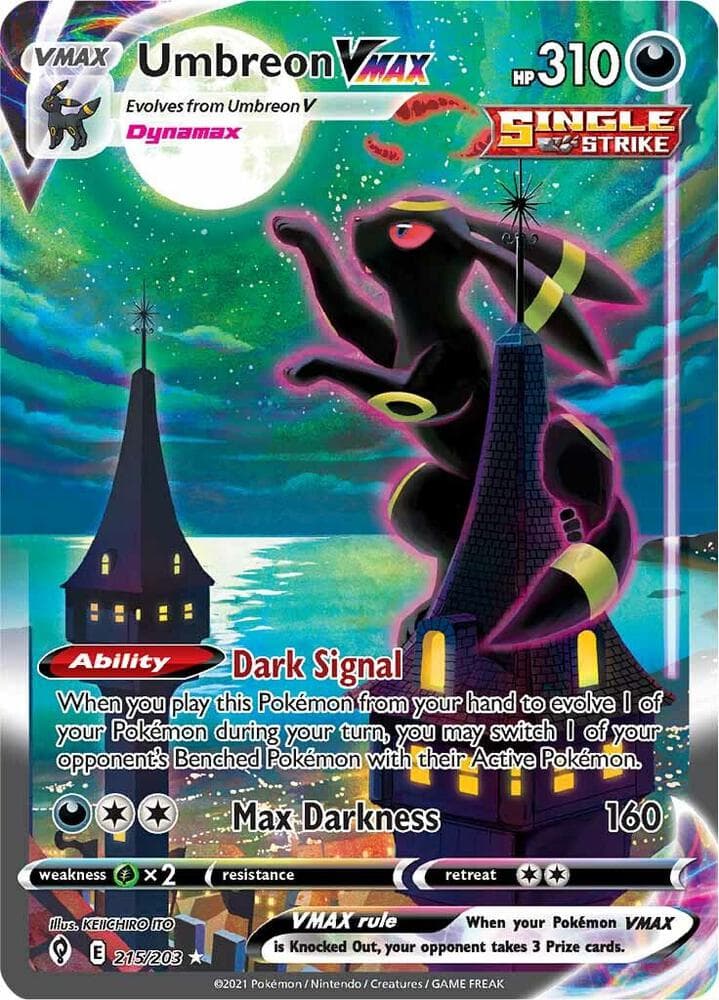
The name alone is never enough; the same Pokemon can have dozens of printings at very different prices. On this site the identity line is the exact catalogue printing the listing was matched to. On eBay itself, read the title and then confirm it against the photos — the collector number is printed on the card, and this guide shows where. A title that says one printing over a photo of another is the listing to skip.


2. The condition pill
- Raw cards show the seller's stated tier — Near Mint, Lightly Played and so on — as read from eBay's item record. It is a claim the photos should support, not a measurement. “Condition not verified” means the seller stated nothing usable, and such a listing is not shown as a deal.
- Graded cards show the grader and the numeric grade (PSA 9, CGC 10). A raw “Near Mint” is not a grade and is never equated to one; see condition and grading explained.
3. The listing total, and what it includes
- “Listing total” means the item price plus a shipping charge that eBay recorded for the listing. That is the delivered price, and it is the figure a saving is measured from.
- “Shipping not confirmed” means eBay recorded no charge — which may mean free or may mean not stated. The figure shown is the item price; check the listing for the real delivered cost before comparing.
- “Shipping unknown — check on eBay” means no shipping record exists for the listing at all. No delivered saving is claimed for it.
- Currency. The listing is priced in its marketplace's currency; the site shows it in yours with an approximation mark when converted. Comparisons are made in US dollars behind the scenes so a UK and a US listing are judged the same way.
4. The market reference
The reference is recent sold data for the same printing and the same condition tier, and it is labelled with that condition and the date it was recorded. It is a reference, not a guaranteed sale price. Two consequences: a raw listing is never compared with a graded reference, and a listing whose condition cannot be matched to a reference shows no saving at all. You can look any card's reference up with the price checker.
Sold, not asking. This is the distinction that decides whether a “deal” is one. A reference built from what cards actually sold for tells you what people paid. A price built from what other sellers are asking tells you only what they hope for — and a row of optimistic listings can sit unsold for months while looking like a market. Comparing a listing against other listings is how a card that is merely cheaper than the most expensive ask gets mistaken for a bargain.
- Check what the figure is before you trust the gap. Ours is sold-based, and the condition it was recorded for is printed beside it. A number with no stated basis is not a reference.
- A reference can be stale. The recorded date is shown for that reason. A thinly traded card may have no recent sale at all, which is why some listings carry no comparison rather than an old one.
- One sale is not a market. A single high result can lift a reference that a spread of recent sales would not support. Treat a lone outlier as a question, not an answer.
5. The saving — and the one case it is never shown
- A green “−N%” appears only when the listing total is below a reference the site holds for that exact printing and condition. A listing without that evidence is shown as a plain listing.
- Auctions never show a saving. They show the current bid, the number of bids and the exact end time. A bid can rise until the end; an amber “Bid −N%” is a comparison of the current bid, not a price you can pay.
6. Found and checked
Every listing shows when it was first found and, where eBay has confirmed it since, when it was last checked. A listing that has ended stops being shown; its page says so and points to the card's current listings. The running counts of listings checked and withheld are on the listing integrity report.
7. The marketplace flag
The flag and label (for example “eBay UK”) say which eBay site the listing was scanned from — not where it ships to. A US-marketplace listing may ship to the UK and vice versa; the listing itself states its shipping destinations.
Put together: identity, then condition, then total, then reference, then saving. If any step does not hold, the saving is not real.
Practise on real listings
Each of these is the same five steps against a different kind of listing, which is the fastest way to make the checks automatic.
- Today's live listings — every check above, on everything currently tracked.
- Auctions, ending soonest — where step 5 matters most: a current bid is not a price, and it can rise until the end.
- Graded listings — practise matching the grader and grade, which a raw reference can never price.
- Budget listings (Under $25) — that cap is the delivered total, not the item price, so it is a good place to see how much shipping moves a cheap card.
- Recent price drops — a drop is a change in the asking price, not evidence about the reference. Run step 4 anyway.
Then read the eBay buyer's checklist for the seller-side questions this guide does not cover.